


茜 AKANE
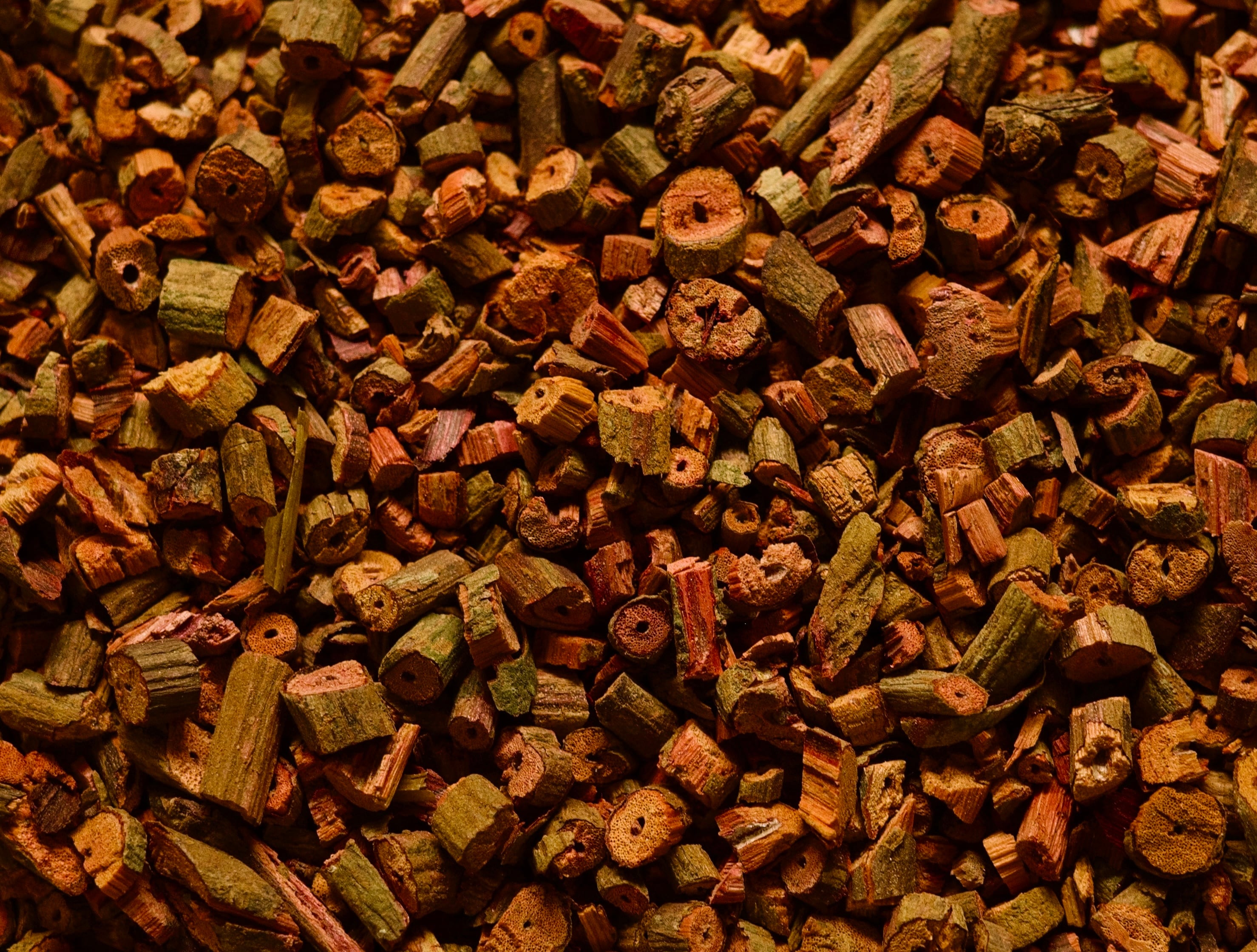
茜はその名の通り根が赤い事から〔あかね〕と名がついたと言われています、主に赤系の染色に用いられ、かつて日本を示す国旗の「日ノ丸」は茜を用いて染められていたことで知られています。
dyedaraでは主に・朱色・臙脂色の染色に使用しています。
Madder is said to have been named "Akane" because its roots are red.
It is mainly used for dyeing reddish colors, and it is known that "Hinomaru," the national flag of Japan, was once dyed using Madder.
In dyedara, Madder is mainly used for dyeing vermilion and rouge colors.
苅安 KARIYASU
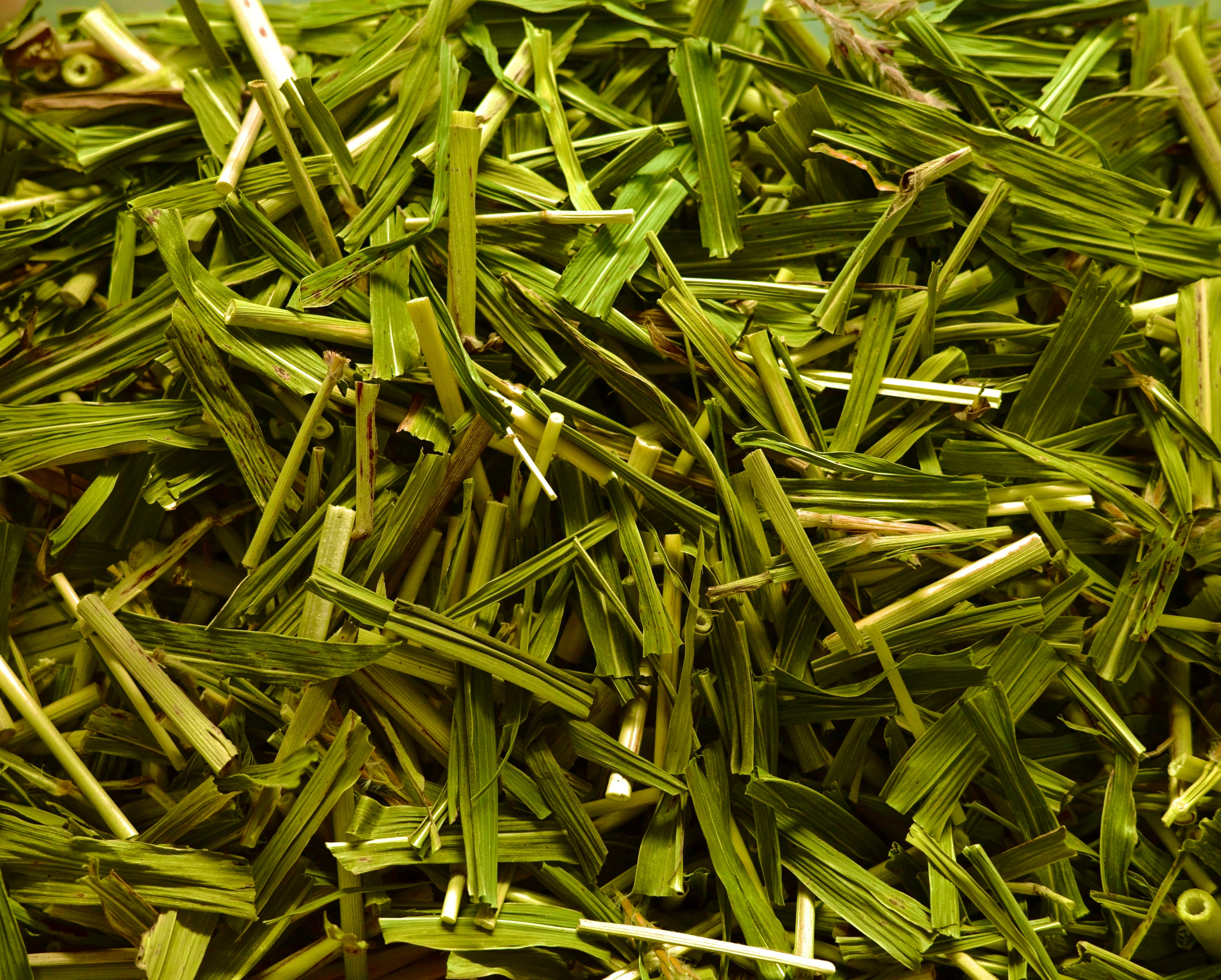
苅安は緑がかった黄色の染料として古来から庶民の一般染料として用いられてきました。八丈島の伝統着物黄八丈に用いられる染料として有名です。
dyedaraでは主に朱色の染色に使用しています。
Miscanthus tinctorius is a greenish yellow dye that has been used as a common dye by the general public since ancient times.
It is famous as a dye used for Hachijo Island's traditional kimono, Hachijo yellow.
In dyedara, it is mainly used for vermilion dyeing.
蘇芳 SUOU
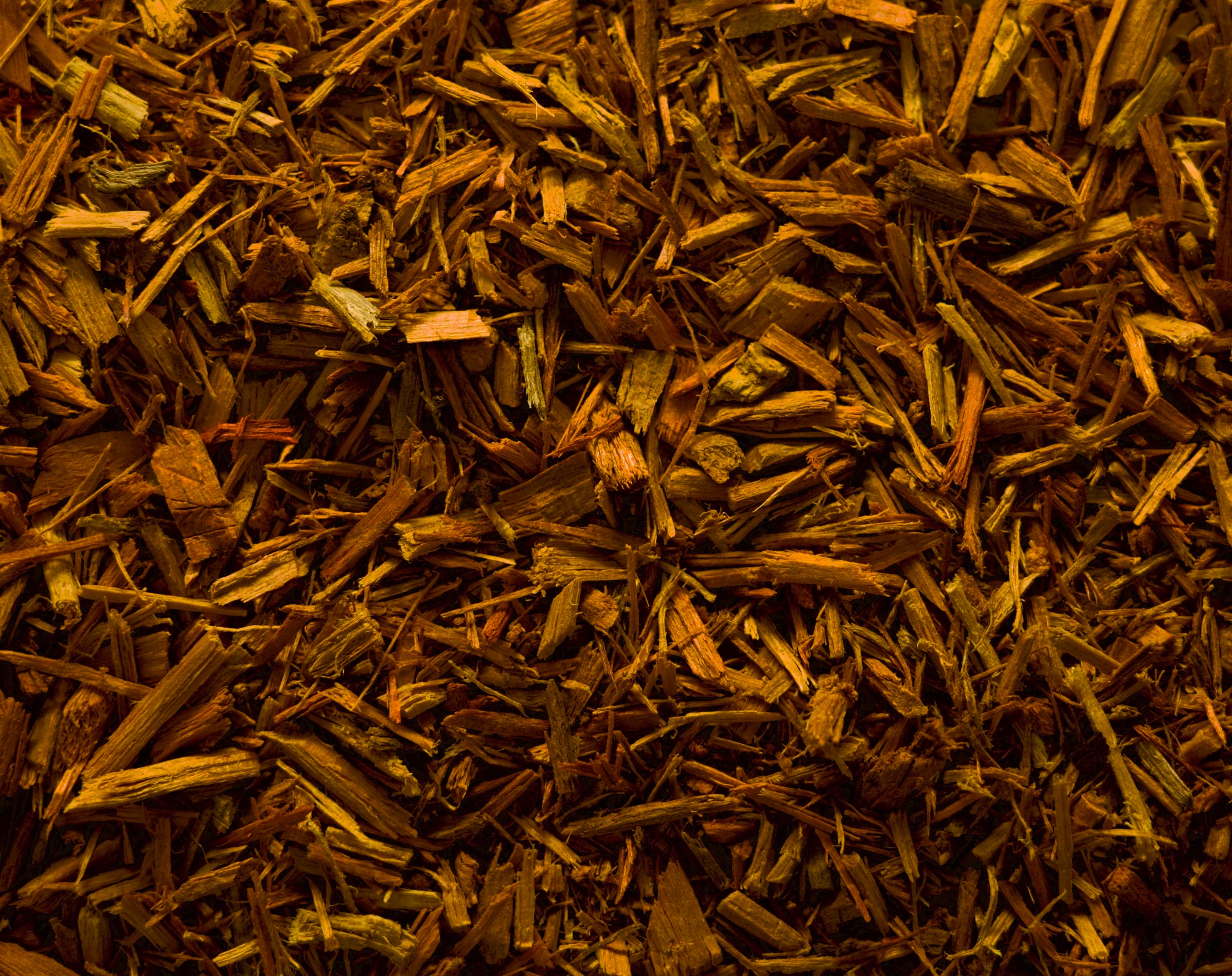
蘇芳は主に赤系の染料として古くから使用され、平安時代には貴族に好まれた非常に貴重な染料でした。江戸時代に入ると庶民の間でも利用される様になり茜や紅花の代わりに広く利用されて来ました。
dyadaraでは主に臙脂色に使用しています。
Sappanwood has long been used mainly as a red dye, and in the Heian period (794-1185) it was a very valuable dye favored by the nobility. In the Edo period (1603-1867), it came to be used by the common people as well, and was widely used in place of Akane and Safflower.
In dyedara, we use it mainly for rouge colors.
楊梅 YAMAMOMO
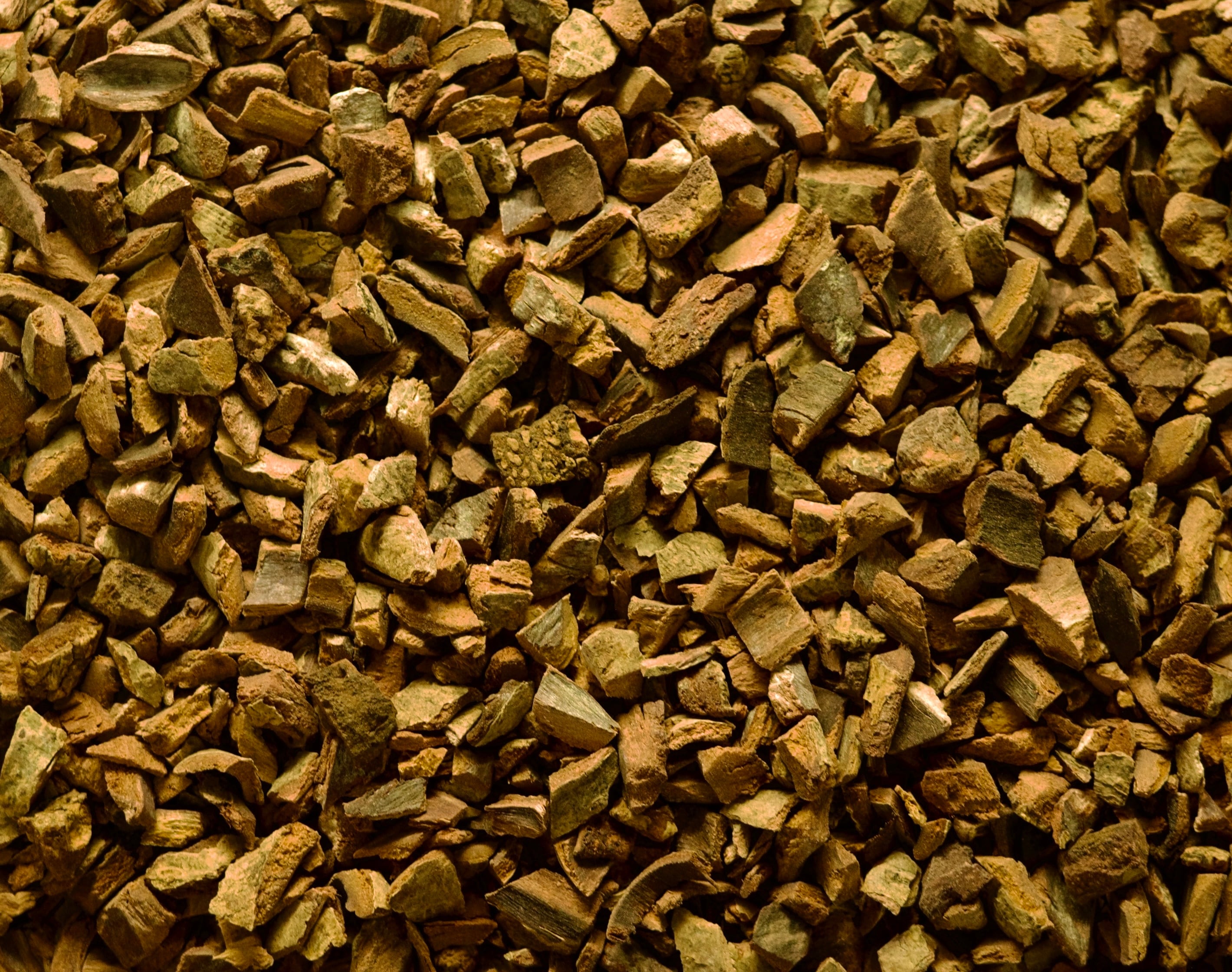
楊梅は黄色系の代表的な染料です。染色にて耐水性が増すことから、古くから漁網を染める染料に使われていました。
dyedaraでは主に・海松色・臙脂色・憲法黒の染色に使用しています。
Red bayberry is a typical yellow dye.
It was used as a dye for dyeing fishing nets because it increases water resistance when dyed.
In dyedara, it is mainly used for dyeing in sea pine, rouge, and constitutional black.
矢車附子 YASYABUSI
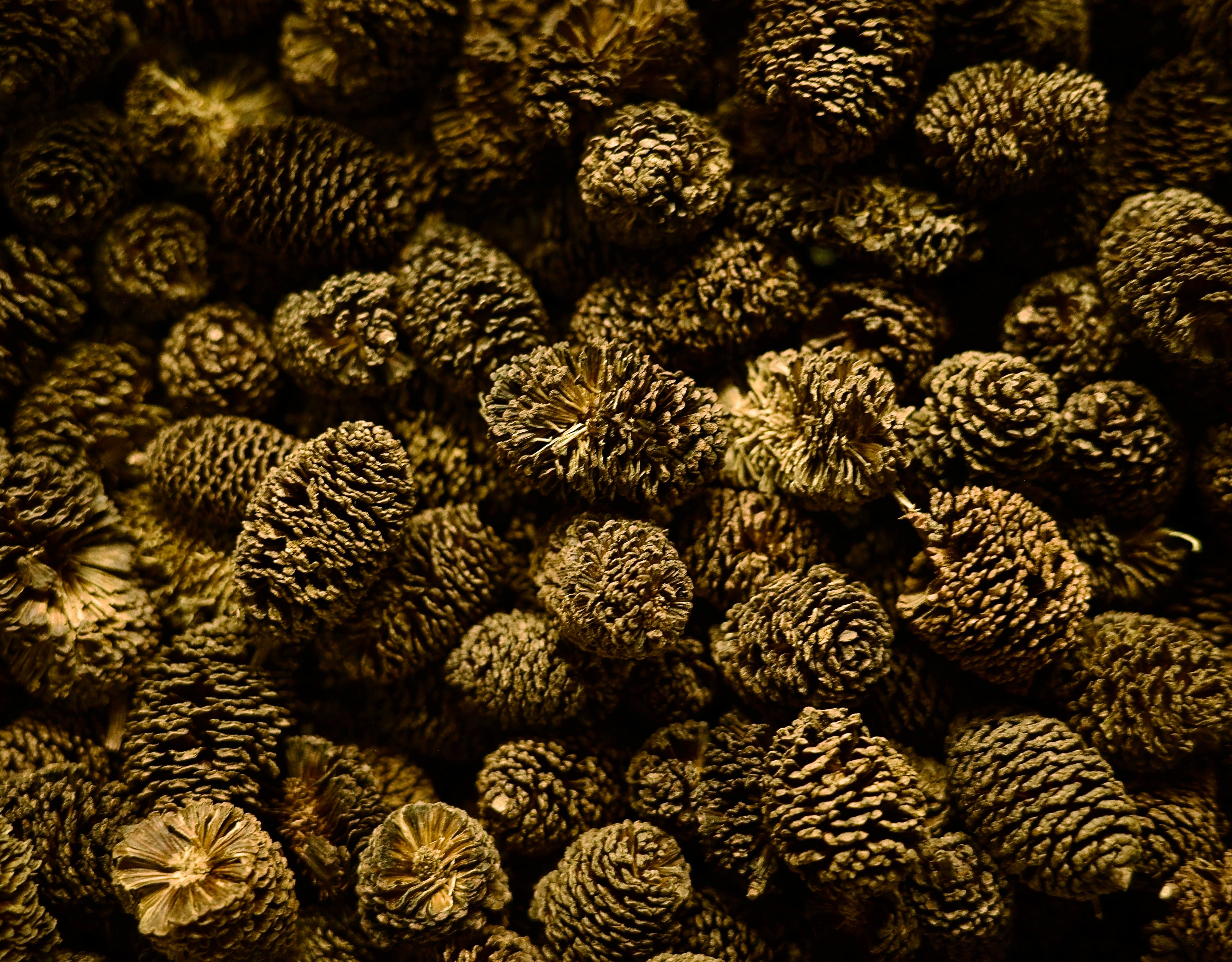
矢車附子は古来より主に黒系の染めに使用してきた染料です、藍染をした後矢車附子で何度も重ねて染め上げられた「水戸黒」が特に有名です。
dyedaraでは主に鈍色の染色に使用しています。
Greenalder is a dye that has been used mainly for black dyeing since ancient times. "Mito black," which is dyed many times with Greenalder after indigo dyeing, is particularly famous.
In dyedara, mainly uses it for dyeing dull colors.
蒅 SUKUMO

蒅とは草木染めの中で最も有名な藍染に使用する藍の葉を発酵、熟成させて作った染料の事であり、この蒅を発酵させて染液を作ることを”藍建て”と言います。
dyedaraでは主に天然灰汁発酵建てによる染液を使用した藍染に楊梅を重ね、憲法黒に使用しています。
A dye made of fermented and matured indigo leaves used for indigo dyeing, the most famous of all herb dyeing processes,
The process of making dye solution by fermenting this dye dyehouse is called "ai-date".
In dyedara, we mainly use indigo dye made from natural lye fermentation and dye solution, overlaid with, red bayberry and used for constitutional black.
柘榴 ZAKURO
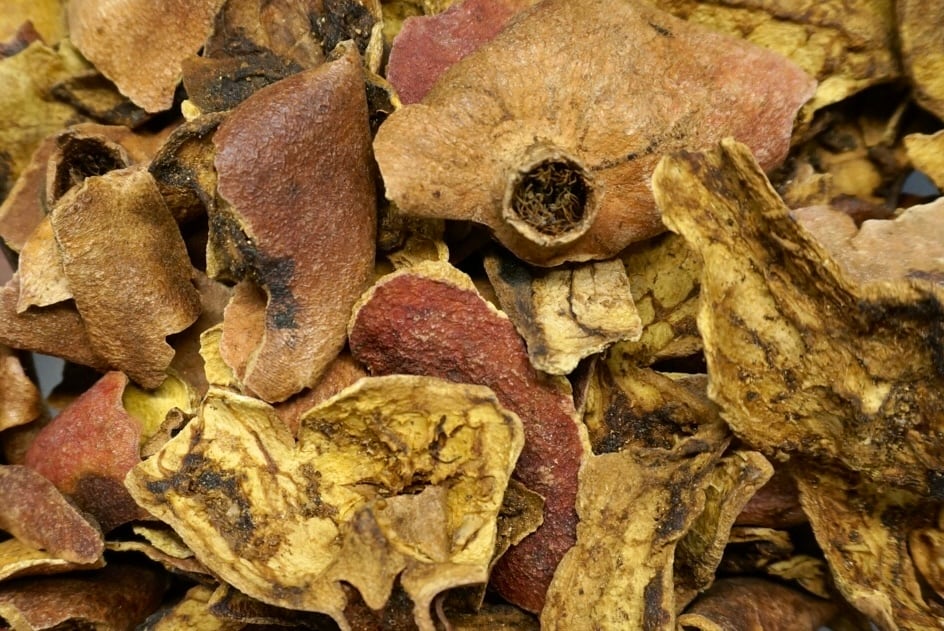
平安時代に日本にわたってきた以来、赤い実が多い事から、豊穣や子孫繁栄の象徴として親しまれてきました。漢方薬として痛み止め虫下し、疲労回復薬などに使われました。染色には果皮を使い、古来より黒染めの染料としてよく用いられました。
羊毛のような明るい薄茶色や黄色、鉄媒染により青味がかかった緑色も染められます。
Since its introduction to Japan during the Heian period, it has been cherished as a symbol of bountiful harvests and the prosperity of future generations due to its abundance of red berries. In traditional Chinese medicine, it has been used as a pain reliever, anthelmintic, and remedy for fatigue. The fruit peel is used for dyeing and has long been a common dye for black-colored fabrics.
It can also be used to dye fabrics a light, wool-like light brown or yellow, or a bluish-green color using iron as a mordant.
コチニール COCHINEAL
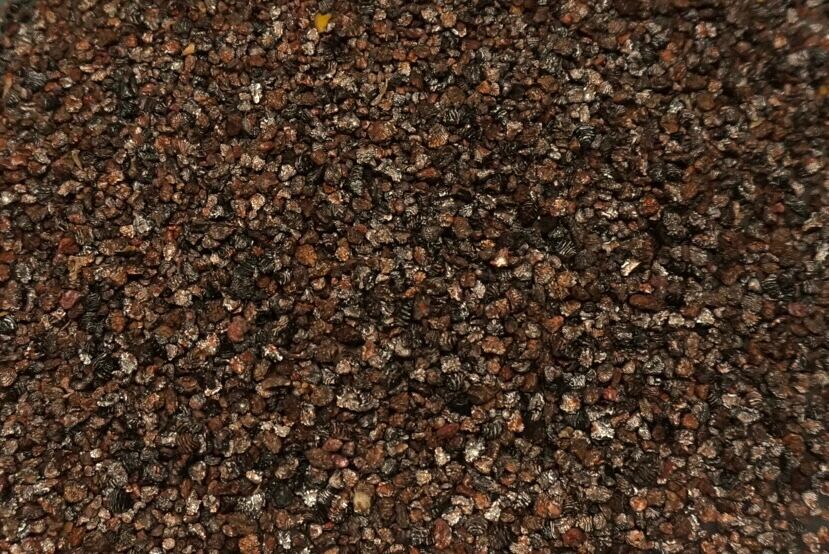
コチニールとはカイガラムシの一種で、別名臙脂虫ともいい、臙脂色の色名の由来となっています。アルミニウム塩によりレーキ化したコチニールからコチニールレーキという赤色顔料が作られ、クリムゾンレッド、カーマイン、臙脂という色として使われてきました。
Cochineal is a type of scale insect, also known as the cochineal bug, and is the source of the name for the color "crimson." A red pigment called cochineal lake is produced by lake-forming cochineal with aluminum salts, and it has been used to create colors such as crimson red, carmine, and crimson.
紫根 MURASAKI
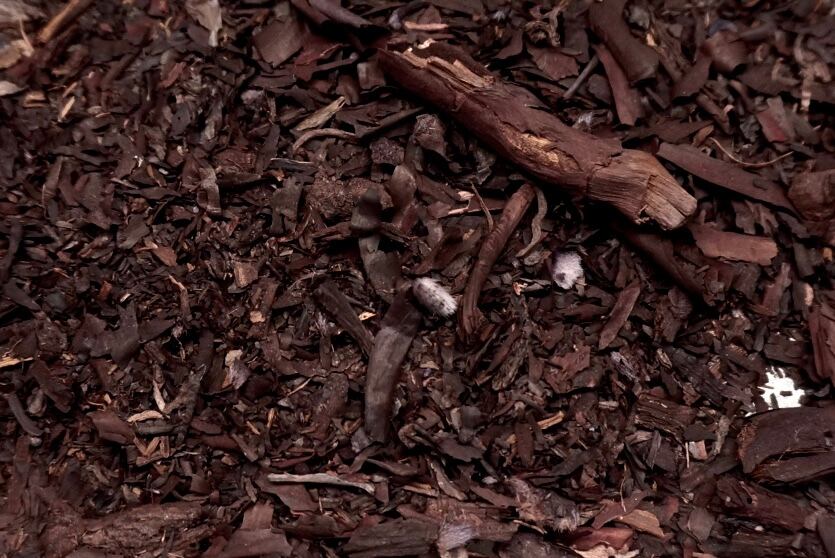
ムラサキの根から取れる染料は藍や紅花と並ぶ、日本三大色素の一つです。古くは飛鳥、奈良、平安時代では禁色(きんじき)として、鎌倉時代には身分の甲冑の紫縅(むらさきおどし)、江戸時代には本紫や京紫、江戸紫の色は庶民には手の届かない憧れの色として古来より染められてきました。
The dye extracted from the roots of the murasaki plant is one of Japan’s three major pigments, alongside indigo and safflower. Since ancient times—during the Asuka, Nara, and Heian periods as a “forbidden color” (kinjiki); during the Kamakura period as the purple lacing (murasaki odoshi) on samurai armor; and during the Edo period as the colors “Hon-murasaki,” “Kyō-murasaki,” and “Edo-murasaki”—it has been used for dyeing, long regarded as a coveted color beyond the reach of commoners.